
TOP 14 HOBBIES WE CAN ENJOY IN OUR HYGGE HOMES…

Hobbies, they say are extremely good for your health and with most of us still in lockdown the ideal hobbies have to be something we can do from home.
I love my hobbies which apart from blogging include crafting (mainly cards) knitting, sewing, painting, cross-stitch and baking. I feel sure had I not had these to fall back on over the last twelve months I would have felt extremely low.

Some ideas for hobbies from home include –
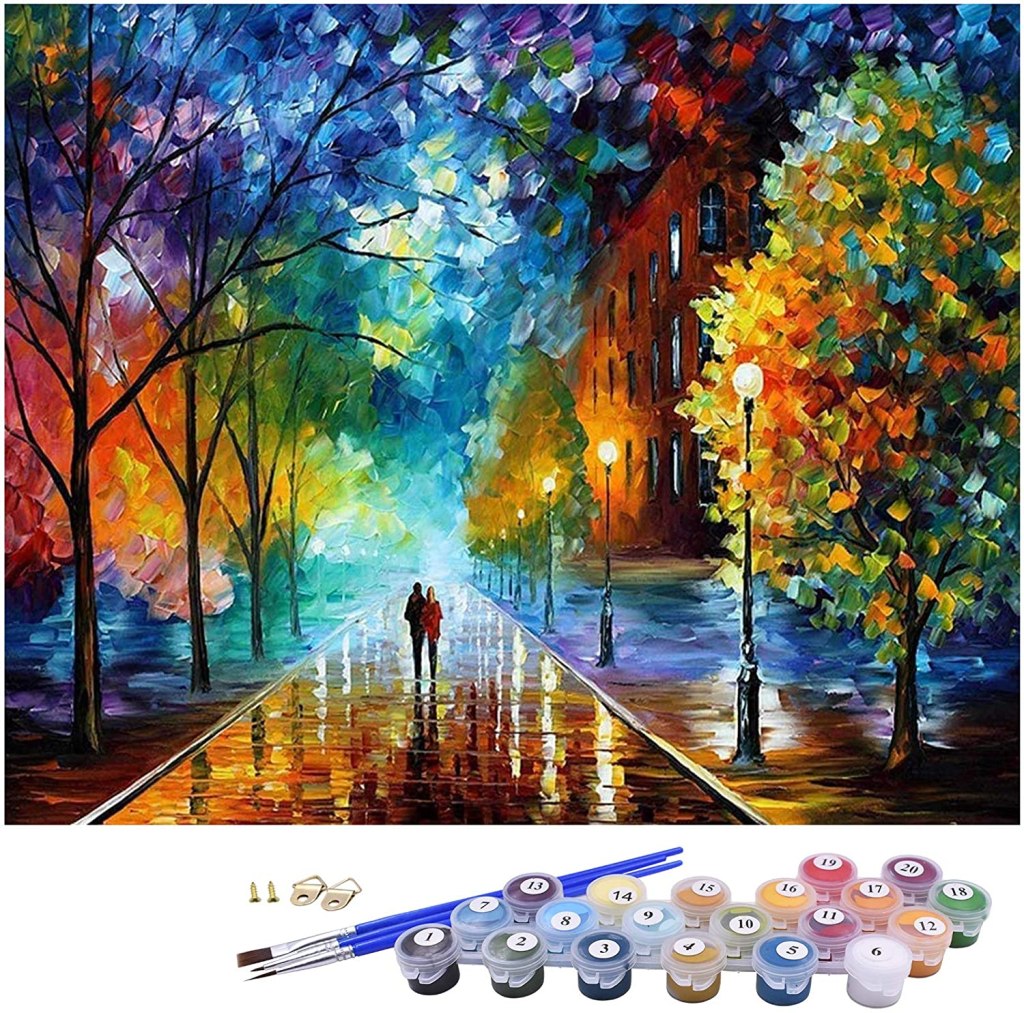
  1. Art – My children bought me an adult paint by numbers art piece for Christmas. I absolutely love it and will feel very chuffed when it’s finished as it’s one I would have hung up in my home.
  2. Drawing – there are lots and lots of sites online and on Pinterest to learn how to drawer.
  3. Singing – with choirs popping up online all over the country it is easy to join one and enjoy a bit of singing.
  4. Writing – well I love writing and write on three blogs. My main blog is health related about back pain which I have suffered from for over 30 years, I also have an afternoon tea blog and this hygge blog. I find it takes me away to another place when I start writing. It’s very therapeutic.
  5. Scrapbooking– I looked into this and I think when I have finished all my other projects I will give this a go. There are lots of books on Amazon on how to get started with this which is something you can pass down to your family when you have finished it.
  6. Hand made cards – I have been making hand made cards for a number of years now and used to have them in a local post office but I just do them for family and friends now, but I have sent a fair few out to cheer my friends up over lockdown. I mean who doesn’t like receiving a nice card through the letter box?
  7. Knitting – another of my favourite pass time. I am a very average knitter but I can find lots of things to make including a granny blanket I made from all my bits of wool which I use outside to keep me warm.
  8. Cross stitch – this is a new hobby for me and another present from my children for Christmas which I asked for. It has become one of my favourite things to do at the moment.
  9. Baking – with a mass of lessons, recipes, and so much more on baking it’s a hobby for anyone who loves to cook. I love baking for my family and bake weekly for them. They get very excited when I say ‘Bars Bakes’ is doing a delivery today.
  10. Photography – with lots more of us taking long walks in the countryside its an ideal hobby. At this time of year and with spring around the corner there are some lovely photos to take outside using just your phone until you want something a bit more substantial to take the photos with and like most of the above there are endless amounts of free help online.
  11. Making candles, making soap, making jewellery – all these types of crafts can be done from you home and could even bring in some extra pennies if you go onto sell them. Pinterest will inspire anyone with pages and pages of posts and ideas on all these types of craft.
  12. Calligraphy – an art which is coming back into fashion again and a lovely hobby to start and learn from home and then maybe progress to a class once lock down is finished.
  13. Reading and reviewing – whatever you buy nowadays they ask for a review on it but the most rewarding review is one that someone has written about a book you would like to read. You can start by writing them on Amazon and if you enjoy it you could always start a blog on book reviews.
  14. Gardening – now the spring is nearly here you can start planting your own vegetables and herbs. Lots and lots of people enjoy gardening and is a great hobby for anyone who loves to be outside.

There are many more hobbies you can start from home, these are just the top 14 but if you haven’t got a hobby or want another one then try any of these as they will definitely improve your health and wellbeing.
ZERO WASTE WEEK 6th- 10th SEPTEMBER…

Zero Waste Week takes place between the 6th-10th September.

It started originally by Rachelle Strauss, following the Bostcastle flood 2004. Now reaching a global following with millions of people, action groups, businesses and organisations taking part.

Zero Waste week was founded by Rachelle Strauss in 2008 and began as a National UK Campaign.Campaigns last a week and take place annually during the first full week in September.

The campaign runs predominantly on social media and the website ZeroWasteWeek to reach a community of like-minded people who want to reduce residential or commercial waste, reuse materials and recycle as much as possible. The aim of the campaign is to help householders, businesses, schools and community groups increase recycling, reduce landfill waste and participate in the circular economy – in alignment with European recommendations and Directives.

Zero Waste Week was created a non-commercial grass roots campaign to demonstrate means and methods to reduce waste, foster community support and bring awareness to the increasing problem of environmental waste and pollution. The term ‘Zero Waste Week’ is now used by many organisations, groups and individuals not connected to the original campaign. Local and national events are held annually where participants and communities make a concerted effort to demonstrate that household, business and industrial waste can be eliminated or reduced.

The roots of the Zero Waste Week campaign emerged from the Boscastle flood of 2004. The Strauss family were caught in the village of Boscastle when a freak rain storm swelled 2 rivers meeting an incoming tide at the estuary. The ensuing deluge washed away many of the historic buildings and shops, along with several cars and possessions. The tragic event inspired Rachelle Strauss to set-up the Gloucestershire The Freecycle Network, a non-profit worldwide charitable organisation gifting reusable goods in order to divert from the landfill.

The freak weather event was her wake up call to the real possibility that man made climate change may have contributed to the Boscastle flood. During the following years the Strauss Family developed their interests in sustainable living as a personal challenge to lessen their environmental impact. In 2008 Rachelle Strauss setup her website and blog MyZeroWaste.com and in September 2008 she launched the first Zero Waste Week online campaign to reduce, reuse and recycle as an public participatory Zero Waste week event with this official announcement.

The campaign continued to be held on the the Zero Waste Website up until Zero Waste Week September 2013. In 2018 the campaign reached its ten year milestone. and grown an international following of over 56 million participants worldwide.

The term Zero Waste Week has been gradually adopted by other campaigns and organisations to run a week of events and activities to highlight the need to reduce waste materials and foster recycling methods and reuse. The themes and topics usually correspond with the original concepts to reduce, reuse and recycle waste materials, often with focus on specific current sustainability issues, such as reducing the use of plastics and food waste. Find out who is on the list on the Zero Waste Week website.

Source: Zero Waste Week

BAKING SODA DO’S AND DONT’S…

An article in the Express caught my eye writing about things you should never clean with Baking soda.

We all know Baking soda is great as a multi-purpose cleaner, and you can use it when you cook, to heal ailments, clean the house and even during arts and crafts for your children.

But there are some instances where baking soda isn’t the answer, and it actually causes more harm than good. While it can definitely pay to have a tub of bicarbonate in the kitchen or bathroom cupboards, steer clear of using it on these household products and fixtures.

One thing it is good for is stains and Arm and Hammer explain on their website that six tablespoons of Baking soda can be mixed with a third of a cup of warm water to make a pre-treating paste for stains. Test the paste on a small area of the garment first to make sure it doesn’t get damaged by the paste, then rub the paste onto the stain. Let the paste dry and put the garment in the washing machine.

But do no use it cleaning mirrors or windows as is an abrasive cleaner, which could then scratch them.

Also do not use on wood as it can be too hard on some finishes or sealants on wooden furniture. Using the powder for cleaning can also wear away the sealant, which could ruin your furniture.

Never clean your gold lined dishes or gold utensils with baking soda. Once again, the reason for this comes down to baking soda’s abrasiveness.

You should also never use baking soda to clean any marble or quarts surfaces, including countertops. Over time, baking soda will damage the upper protective layer and eventually leave scratches on the marble or quartz.

A little bit of history about Baking Soda and Arm & Hammer – In 1846 John Dwight and his brother-in-law, Dr. Austin Church develop Bicarbonate of Soda (Baking Soda) as a leavening agent for home-baked goods. John Dwight & Company is formed to manufacture and distribute the product.

In 1865 Dr Church leaves John Dwight & Company to open his own Baking Soda company with his two sons, James Austin Church and Elihu Dwight Church.

In 1867 Church & Company is formed to meet the growing demand for Baking Soda. The ARM & HAMMER™ trademark, symbolizing the strength of baking soda, shows the arm of Vulcan, the roman god of fire, bringing down his hammer on an anvil.

In 1876 John Dwight, looking for a memorable trademark for his packaging chooses Lady Maud, a prize winning Jersey Cow. The cow is a reference to traditional use of Baking Soda and sour milk in home baking. Consumers eventually begin to call it COW BRAND.

In 1907 almost a century ahead of it’s time, the company institutes the use of recycled paperboard to package household products.

In 1927 the first full-page colour magazine ads promote the purity of ARM & HAMMER™ and COW BRAND Baking Soda for multiple kitchen and personal care issues.

In 1960 new uses for Baking Soda were developed and tailored to changing post-war lifestyles. The multi-use Baking Soda wheel was created to familiarize consumers with the product’s versatility.

In 1986 for it’s 100th anniversary on July 4th, the Statue of Liberty’s inner copper walls are cleaned with sodium bicarbonate, which removes 99 years of coal tar without damage to the copper. More than 100 tons of sodium bicarbonate are used in the restoration.

Baking Soda is now found in nearly every kitchen in the USA, regarded as a necessity by millions of consumers.

Of course, Baking Soda is no longer confined to the kitchen. It is used throughout the house, in every phase of housekeeping and personal hygiene. ARM & HAMMER™ Baking Soda, which was first prepared in a New England village, now is used the world over.

Source : Express Arm & Hammer