A VINTAGE KILO SALE…

vintage pics

We all sales but the ‘Vintage Kilo Sale’, has to be a first. Basically you choose the items you want, take them to the weigh machine and pay £15 for kilo of clothes. http://thevintagekilo.co.uk/#

They say “We have excellent value for money with on-trend styles from the 60s – 80s, the Vintage Kilo Clothing Sale takes from the age old ethos that clothing should be sold by weight, making it easy for you to fill your wardrobe for £15.00 per kilo of clothing.

Each event will hold 2.5 tonnes of good quality, on-trend vintage clothing. Items will be separated by type so you’ll find racks of denim cut offs, dresses, jackets, trousers and shirts. Once you’re selection is complete take the items to the weighing station where staff will weigh and price them for you.

All the shops are currently awash with mass produced items clothing that has taken its style from the past 50 years. But why buy from the mass market when you can own a unique piece of the past that feeds perfectly into today’s style and for a much better price pay less than the high street. You don’t need to feel guilty about buying unethical products and won’t be walking down the street in something someone else may own.”

They say that a quick guide to a kilo of clothing would be up to 5 lighter items like cotton dresses and T-shirts, and heavier dresses, trousers and denim can reach up to 3 items all for the low price of £15.00.

The Vintage Clothing Kilo Sale also has a separate price list, so if you just want to pick out one or two items and don’t want to pay by weight here’s what you can snap up:

1940’s FASHION CHANGES DUE TO THE WAR…

vintage pics

In 1940 Britain silk stockings were in short supply. So to take their place different brands of leg make-up appeared on the market and women resorted to drawing seams with eyebrow pencil down the back of each leg to give the appearance of wearing stockings.

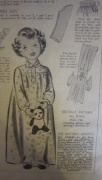
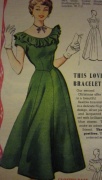
The fashion was for short skirts, sensible ‘flat heeled’ shoes and square shouldered jackets that recalled the cut of uniforms – these were the basic features of the wartime ‘Utility fashions’. But soon women of Britain were asked to help with the war. Short skirts were out and trousers or dungarees were in and a scarf was tied around the head to protect against the risk of hair getting caught in the machines.

The government then tried to encourage everyone to make do and mend the clothes they already had. Lots of tips were available on how to revamp old clothes in Women;s magazines. Some of the ideas were to convert heavy blankets into fashionable coats and unpicking old jumpers to convert to new ones was the order of the day.

There were even knitting patterns for slippers, socks and jumpers, all of which are coming back into fashion again at the moment. Even sewing patterns were available free inside women’s magazine. Anything and everything to encourage women to ‘make do’.

http://www.1940.co.uk/history/article/fashion/fashion.htm

vintage pics

THE HISTORY OF THE HERMES SCARF…

Hermes scarf

The Hermès scarf is one of the greatest fashion icons of all time.Worn by royalty and celebrities, coveted and admired, and now avidly collected, this deceptively simple square of silk is much more than just an accessory, it is the stuff of legend. Grace Kelly once used a Hermes scarf as a sling when she broke her arm.

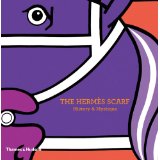
Now for the first time the heritage and influence of House of Hermès is fully explored, from the first scarfs debut in 1937 right up to the present day. The history of the Hermes scarf in a new book from Nadine Coleno.

Review
`A gorgeously illustrated new history of the must-have, fabulously expensive silken square sported by fashion mavens everywhere’ –The Glasgow Herald

`Sumptuous’
–The Daily Express

‘Fascinating … a captivating insight into the inspiration behind the designs, with stunning images throughout’
–The Times

‘This is a must-have for Hermès devotees, collectors, and those in pursuit of iconic fashion’
–Vanity Fair